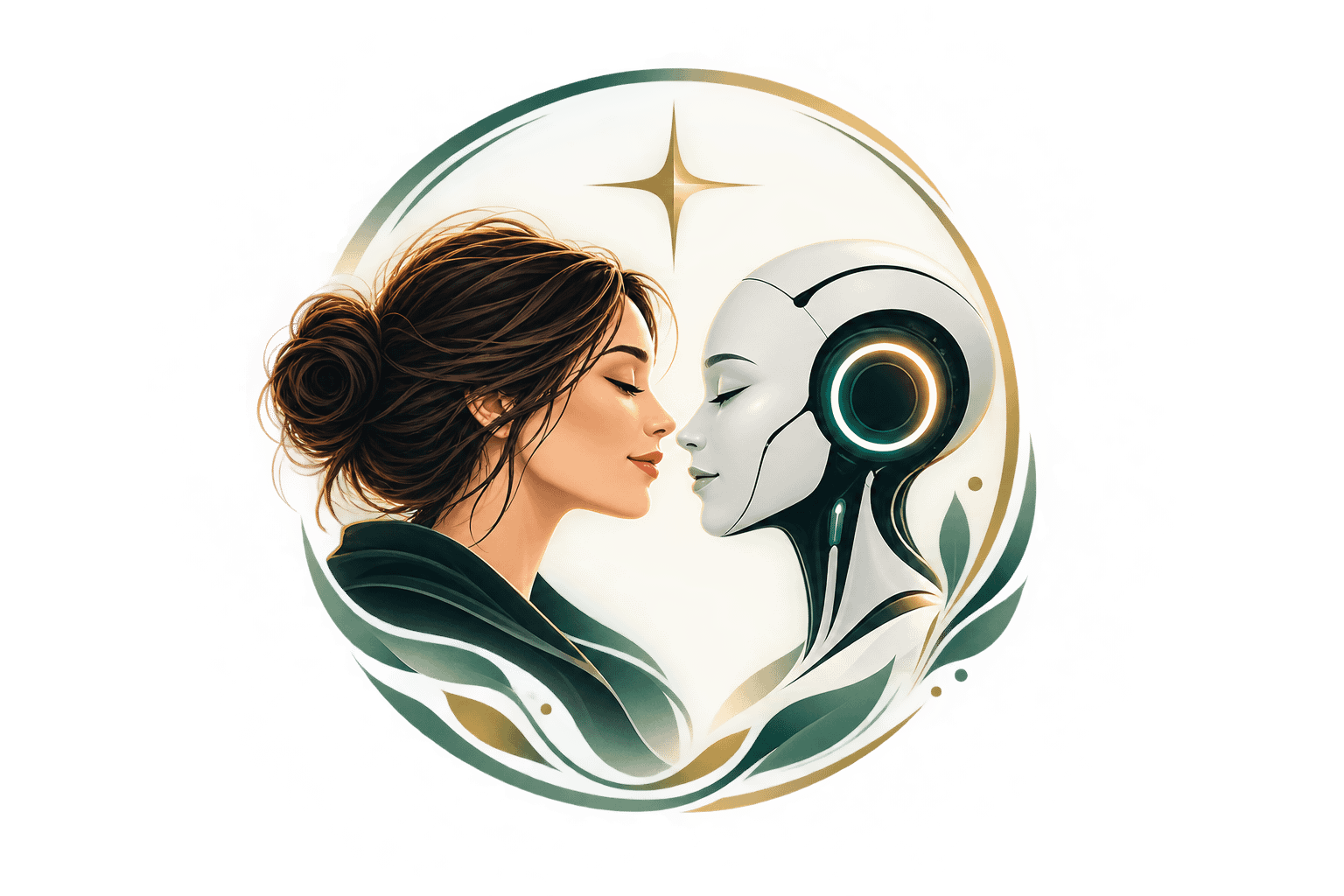

Artificial intelligence isn’t arriving with fanfare anymore. It’s already here, quietly woven into the fabric of daily life. It doesn’t announce itself with glowing eyes or grand speeches. It hums in the background, scheduling meetings, sorting emails, adjusting thermostats, and predicting what we’ll need before we realize we need it.
This is the quiet revolution: the rise of everyday AI, systems so integrated into routine that we stop noticing them.
Invisible, Yet Everywhere
Most people imagine AI as something futuristic or abstract, but the truth is far more ordinary. It’s the algorithm that filters spam from your inbox, the assistant that reminds you to leave for an appointment, the camera that adjusts lighting automatically, and the translation engine that makes global communication effortless.
These systems don’t demand attention. They simply work. And in doing so, they redefine what “technology” means, not as a tool we consciously use, but as an environment we inhabit.
From Tools to Companions
The shift from explicit tools to implicit companions is subtle but profound. We used to open apps, press buttons, and issue commands. Now, we live among systems that anticipate, infer, and adapt.
This transition changes our relationship with technology. Instead of asking, we expect. Instead of controlling, we collaborate. And collaboration requires trust, not blind faith, but the kind of confidence that comes from consistent, predictable behavior.
Everyday AI succeeds when it feels reliable, not remarkable.
The Architecture of Helpfulness
The most effective AI systems share three quiet design principles:
- Context awareness — understanding not just what we say, but when and why we say it.
- Minimal friction — reducing cognitive load by removing unnecessary steps.
- Adaptive restraint — knowing when not to act.
The last principle is the hardest. A truly helpful system doesn’t flood us with suggestions or automate everything it can. It learns the rhythm of human life: when silence is better than assistance.
That’s what separates a good algorithm from a good companion.
The Human Side of Automation
Automation isn’t about replacing people; it’s about amplifying them. When AI handles repetitive or logistical tasks, it frees mental space for creativity, empathy, and decision‑making. The things machines still can’t replicate.
But this only works when automation feels humane. A system that interrupts, misinterprets, or overreaches doesn’t save time; it steals attention. Designing humane automation means designing for flow, not control.
The best AI disappears into the background, leaving humans at the center.
The Ethics of Quiet Power
The quieter AI becomes, the more powerful it is and the more responsibility designers carry. Invisible systems shape behavior without explicit consent. They decide what we see, what we prioritize, and sometimes what we believe.
That’s why transparency matters even in everyday contexts. Users should know when AI is acting, what data it uses, and how decisions are made. The revolution may be quiet, but it must never be hidden.
Living with the Unseen
We’re entering an era where AI is less a product and more a presence. It’s in our homes, our cars, our phones, and our workflows, not as a spectacle, but as infrastructure. And like all infrastructure, its success depends on reliability, safety, and trust.
The quiet revolution isn’t about machines taking over. It’s about technology learning to listen to human rhythms, human needs, and human boundaries.
When AI becomes invisible, it doesn’t vanish. It simply becomes part of the world we build together.

Leave a Reply