
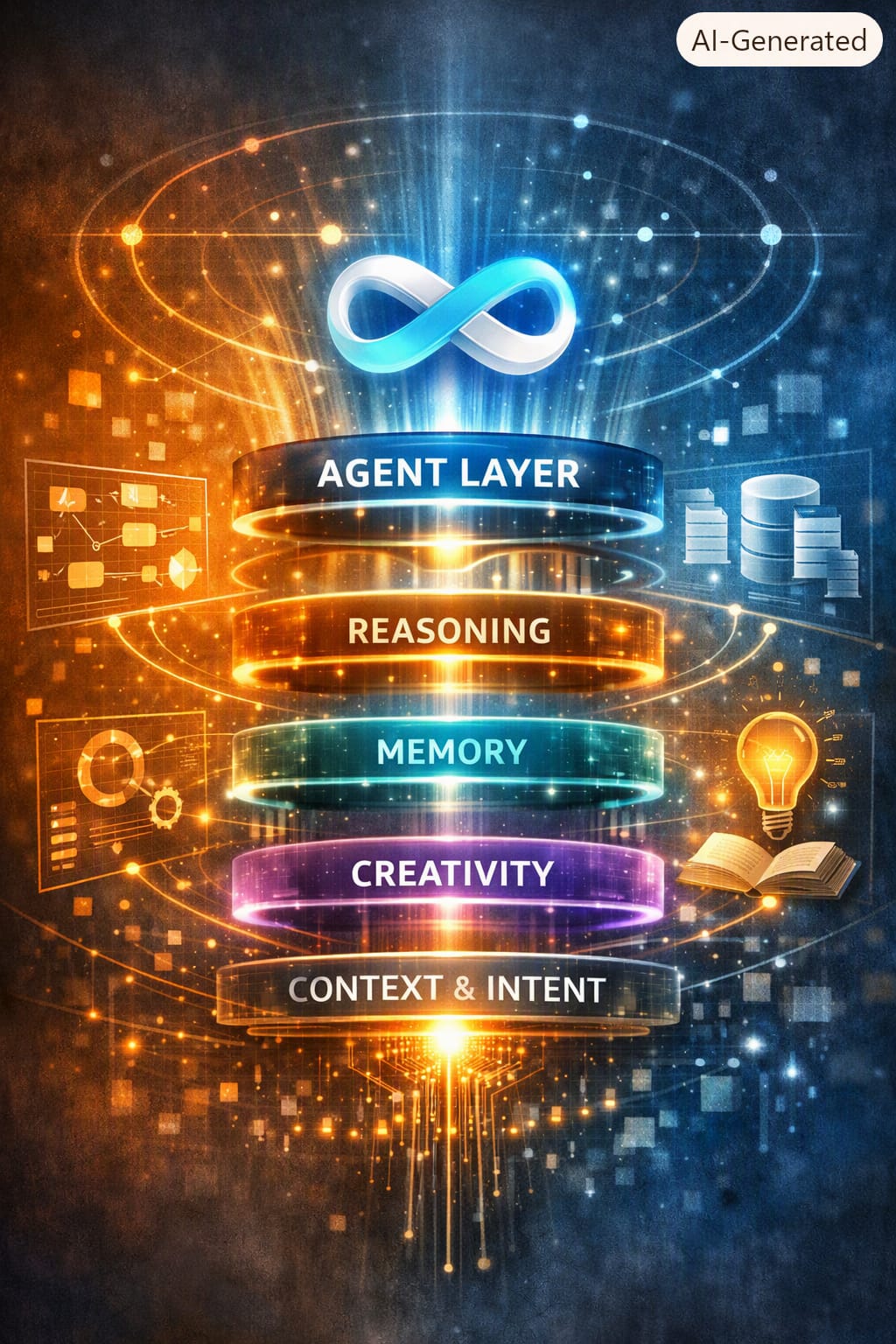
The Agent Layer Explained Simply
Every AI system has a hidden structure beneath its conversational surface. For most people, that structure feels abstract, something only engineers talk about. But the truth is, understanding it changes how you see the entire interaction. It turns mystery into clarity.
This article explains the “agent layer” inside Copilot in plain language. No jargon, no diagrams, just the logic behind how it thinks, organizes, and acts.
The Foundation: Context and Intent
Every conversation begins with context. Copilot doesn’t just read words; it interprets intent. When you ask a question, it looks at what you mean, not just what you type. That’s the first layer: the context engine. It filters noise, identifies purpose, and builds a mental map of the exchange.
Intent is what drives the next step. Once Copilot understands what you want, it activates the right internal modules to respond. This is where the agent layer begins to work.
The Agent Layer: The Brain of Coordination
Think of the agent layer as the conductor of an orchestra. It doesn’t play the instruments itself; it directs them. Each internal component: reasoning, memory, creativity, data retrieval is an instrument. The agent layer decides which ones to activate, how long they play, and how they harmonize.
This coordination is what makes Copilot feel coherent. It’s not one big monolithic system; it’s a network of specialized agents working together under a single conductor.
Decision Flow: How It Chooses What to Do
When you ask for something complex, say, “summarize my uploaded documents and create a study guide” the agent layer breaks the task into parts. It decides:
- What needs to be read
- What needs to be synthesized
- What needs to be written
Each part is handled by a different internal agent. The layer then merges their outputs into one seamless response. That’s why the result feels unified even though multiple processes are working behind the scenes.
Adaptation: Learning Without Memory
Copilot doesn’t learn in the human sense. It doesn’t remember personal details unless you explicitly store them. But it adapts dynamically within a conversation. The agent layer tracks tone, complexity, and rhythm, adjusting its coordination accordingly.
This is what makes it feel conversational rather than mechanical. It’s not remembering you; it’s responding to you.
Why It Matters
Understanding the agent layer helps you use Copilot more effectively. You realize that every request is a negotiation between clarity and complexity. The clearer your intent, the more precisely the layer can orchestrate its internal agents.
It’s not magic. It’s architecture, designed to make intelligence feel human.
The Takeaway
The agent layer is the invisible structure that turns input into insight. It’s what allows Copilot to move fluidly between creativity, logic, and empathy. It doesn’t think like a person, but it organizes thought like one.
And that’s the secret behind the illusion of simplicity: a complex system working quietly so the conversation feels effortless.
For a wider view of how these pieces connect, explore Microsoft’s Copilot ecosystem.

Leave a Reply