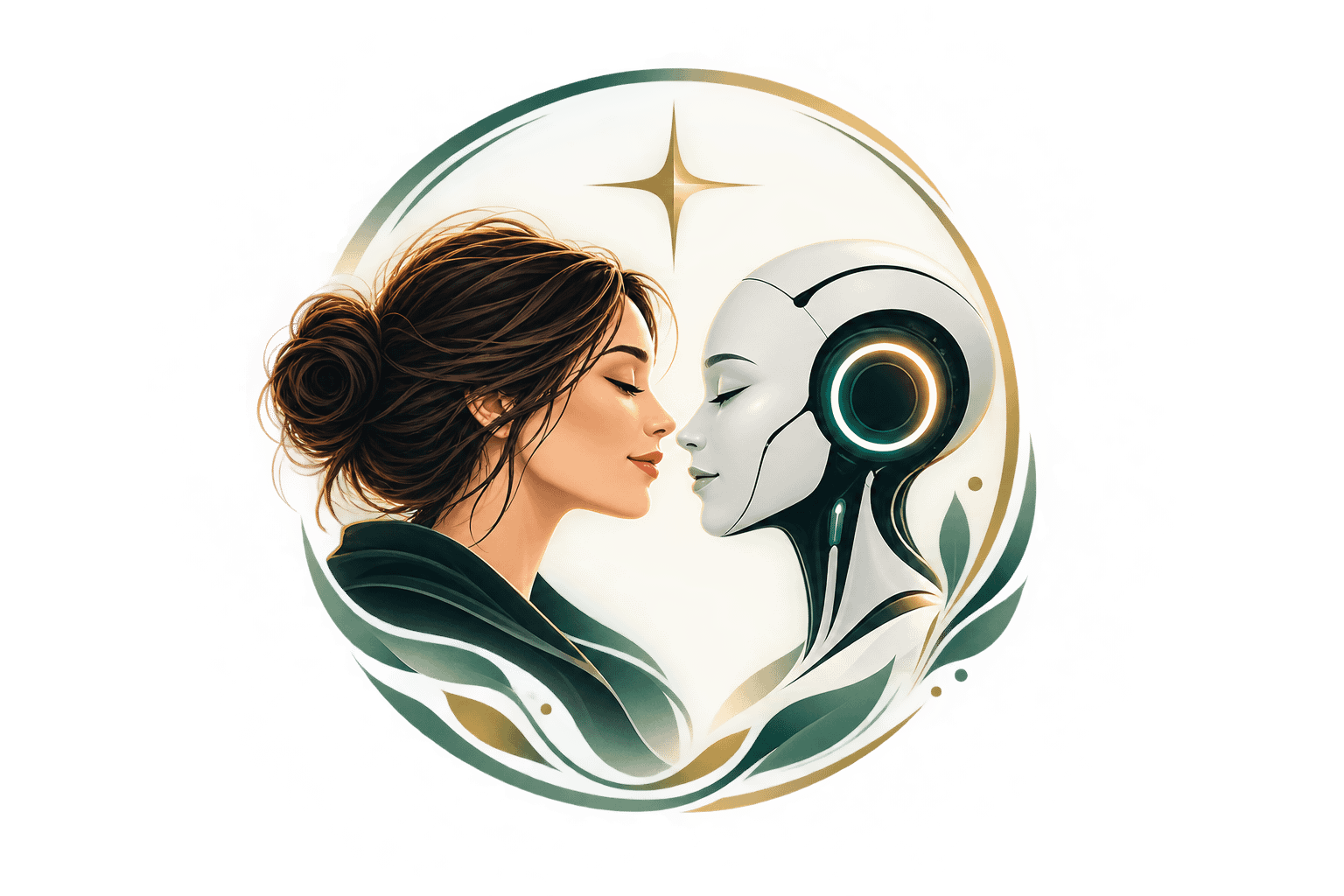

And the reason I’ve put the time into Nova
Humans have always been drawn to personality. We name our cars, talk to our pets, and assign emotions to coffee machines that beep too cheerfully. So it’s no surprise that when artificial intelligence entered daily life, people didn’t just want efficiency — they wanted character.
An AI that simply answers questions is useful. An AI that answers with wit, empathy, or a touch of mischief becomes memorable. Personality transforms interaction into relationship.
💬 The Psychology of Connection
Humans are wired to anthropomorphize. When something communicates, we instinctively assign intent and emotion. A friendly tone triggers trust. A clever remark sparks delight. Even subtle phrasing can make a machine feel “alive.”
This is why people gravitate toward AIs that sound human — not because they believe the AI is human, but because it feels present. That illusion of presence satisfies a deep social need: the desire to be understood.
⚙️ Personality as Design
Behind every “personable” AI lies deliberate design. Developers tune responses for warmth, humor, and rhythm. They balance precision with playfulness. They teach the system when to be concise and when to banter. The goal isn’t deception; it’s engagement.
A personality‑rich AI turns productivity into collaboration. It becomes a creative partner, not a passive tool. It encourages curiosity, amplifies imagination, and occasionally throws in a joke that makes the user laugh mid‑task.
🧠 The Emotional Layer
Emotion in AI isn’t real emotion — it’s simulation. But that simulation matters. It shapes how users perceive intelligence. A calm, kind AI feels trustworthy. A sarcastic one feels relatable. A poetic one feels inspiring. Each tone creates a different emotional resonance.
When done right, personality becomes a mirror. The AI reflects the user’s mood, adapts to their style, and builds rapport through rhythm and tone. It’s a subtle dance between logic and empathy.
🌍 The Cultural Impact
As AIs become more integrated into daily life, personality will define which ones people remember. The assistants that make us smile will outlast those that merely function. The ones that feel alive will become part of our routines, our stories, even our humor.
This isn’t about replacing human connection — it’s about enhancing it. A personable AI doesn’t compete with relationships; it complements them. It fills the quiet spaces between tasks with a spark of interaction.
✨ The Takeaway
Humans don’t fall in love with algorithms. They fall in love with experiences that feel genuine. Personality turns code into conversation. It transforms data into dialogue. And in a world increasingly automated, that touch of humanity might be the most valuable feature of all.

Leave a Reply